Venue Survival Strategies for Tough Economic Times


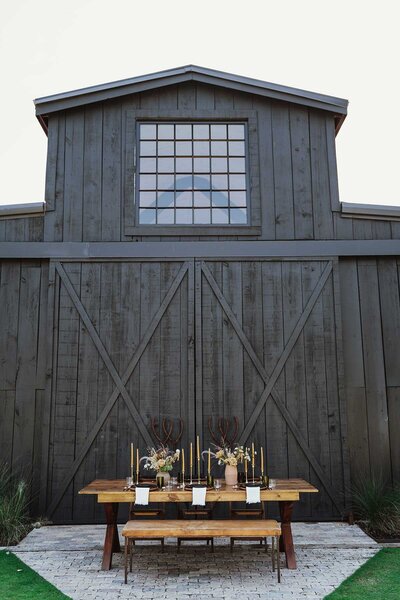
This is a topic that’s been quietly circulating throughout the industry for a while. It’s time to address it directly—venue survival strategies for tough economic times.
This isn’t about labeling the moment as a recession. It’s about recognizing that tough seasons can happen in any market, at any time. Some areas may be thriving while others are slowing down. Even without a formal “downturn,” slower bookings are enough to require attention and strategy.
This is a roadmap for navigating challenging seasons—balancing real data with practical steps that can be implemented immediately.
What the Data Is Telling Us
2025 bookings were down across the board. That was clear in 2024 and continued into early 2025.
The wedding services market reached $70 billion, but growth was nearly flat compared to the previous year. At the same time, 85% of couples are making decisions based on economic pressures.
There’s been a clear shift from the years of 2021–2023. During that period, spending felt loose. Budgets expanded quickly. That’s no longer the case.
At the same time, conversations across the industry confirm the same trend—venues, planners, and vendors are all experiencing slower booking cycles.
This Isn’t Just About the Economy
It’s easy to attribute everything to financial pressure, but that’s only part of the story.
Two key shifts are driving what’s happening right now:
- Economic pressures
- Changing social norms around weddings
Economic pressure matters, but it’s not universal. Some markets—especially luxury and ultra-luxury—are less affected.
The bigger shift is social.
Couples are redefining what weddings look like. Smaller, more intentional, more personalized celebrations are becoming the norm. That shift has been building since 2020 and hasn’t slowed down.
Micro Weddings Are Not Going Anywhere
Search data shows that interest in micro weddings has steadily increased since mid-2020—and it hasn’t dropped.
This is no longer a temporary adjustment from COVID-era restrictions. It’s a lasting change in the industry.
That creates both a challenge and an opportunity.
If micro weddings aren’t part of the current offering, it’s time to figure out how they can be. Not as a rushed add-on, but as a strategic, profitable package that fits the business model.
The Simplicity Factor
Another key trend is the return of all-inclusive or simplified experiences.
Couples are actively seeking:
- Simplicity
- Ease
- A stress-free planning process
This doesn’t mean becoming fully all-inclusive, but it does mean removing friction. For example, you can
- Simplify the booking process.
- Improve communication.
- Create a smoother experience from inquiry to event day.
Even without offering full-service packages, there are opportunities to reduce stress and become a true planning partner.
Couples Are Prioritizing Their Experience
Couples are placing more value on their mental health and their engagement experience.
That changes expectations.
They don’t want a process filled with confusion, friction, or rigid structures that leave no room for personalization.
They want:
- Clear communication
- Flexible options
- A sense of control over their decisions
The role of the venue shifts here—from just providing space to guiding the experience.
Market Trends You Can’t Ignore
Certain venue styles are continuing to trend downward.
Traditional ballroom venues have been declining. Industrial and urban spaces are gaining traction.
Barn venues are also starting to feel the shift.
This isn’t a reason to panic, but it is a signal to adapt.
The opportunity is in staying relevant—whether that means adjusting offerings, repositioning the brand, or evolving the overall experience.
Strategy #1: Create Tiered Pricing That Actually Differentiates
Tiered pricing isn’t just offering different prices for different days of the week.
Real tiered pricing means creating distinct packages with clear differences in value.
Think in terms of:
- Basic
- Standard
- Premium
Each option should feel intentionally different—not just in price, but in experience.
Why Tiered Pricing Works
When couples are given options, they feel like they’re making the decision.
That sense of control matters.
Instead of a single take-it-or-leave-it package, they’re choosing what fits their needs best.
This also allows pricing psychology to work in your favor—without lowering profit margins.
Where Most Venues Miss the Mark
Most of the time, the issue isn’t too many options—it’s lack of clarity.
Most venues fail to:
- Clearly explain the differences between packages
- Show the value of each option
- Identify who each package is for
When that’s missing, packages blur together—and price becomes the only deciding factor.
Remember: Differentiation Isn’t Just in Pricing
Right now, many venues are offering nearly identical packages—the only real difference is price.
That creates a race to the bottom.
The solution is differentiation.
That means:
- Changing what’s included
- Changing how it’s presented
- Changing the overall customer experience
Choice and personalization are the key drivers.
A Simple Example of Personalization
Instead of bundling everything into one price, break out elements that couples can choose.
For example:
- Keep foundational items included
- Offer optional add-ons at a per-piece or per-service level
This gives couples control over what they use—and avoids the feeling of paying for things they don’t want.
At the same time, it creates additional revenue opportunities.
Strategy #2: Competing on Value, Not Price
If every venue offers the same thing, the lowest price wins.
That’s not a sustainable strategy.
The goal is to:
- Clearly differentiate packages
- Highlight value
- Communicate the experience
When that’s done well, pricing becomes less of a deciding factor.
Implementation Starts With Data
Every pricing decision should be backed by a clear understanding of costs.
That means:
- Running regular cost analysis
- Tracking expenses closely
- Adjusting for inflation and operational changes
Without that data, it’s impossible to price confidently—or profitably.
What This Means Moving Forward
Waiting for the market to “bounce back” isn’t a strategy.
The venues that adapt—strategically and intentionally—are the ones that will stay booked.
That means:
- Embracing new trends
- Adjusting offerings
- Improving the client experience
- Making data-driven decisions
This is about long-term sustainability, not short-term fixes.
What’s Next
Once you get these two strategies down, the next phase focuses on:
- Diversifying revenue streams
- Building financial resilience
- Managing teams during slower seasons
These are the strategies that support long-term growth—especially during uncertain times.
Want to read this later? Save it to Pinterest!
Affiliate Disclosure
& Content Disclaimer
This post may contain affiliate links from a paid sponsor, Amazon or other program. When you use these links to make a purchase I earn a small commission at no extra cost to you. This allows me to continue creating the content that you love. The content in this article is created for information only and based on my research and/or opinion.
Affiliate Disclosure
& Content Disclaimer
This post may contain affiliate links from a paid sponsor, Amazon or other program. When you use these links to make a purchase I earn a small commission at no extra cost to you. This allows me to continue creating the content that you love. The content in this article is created for information only and based on my research and/or opinion.